Updated on September 18, 2026
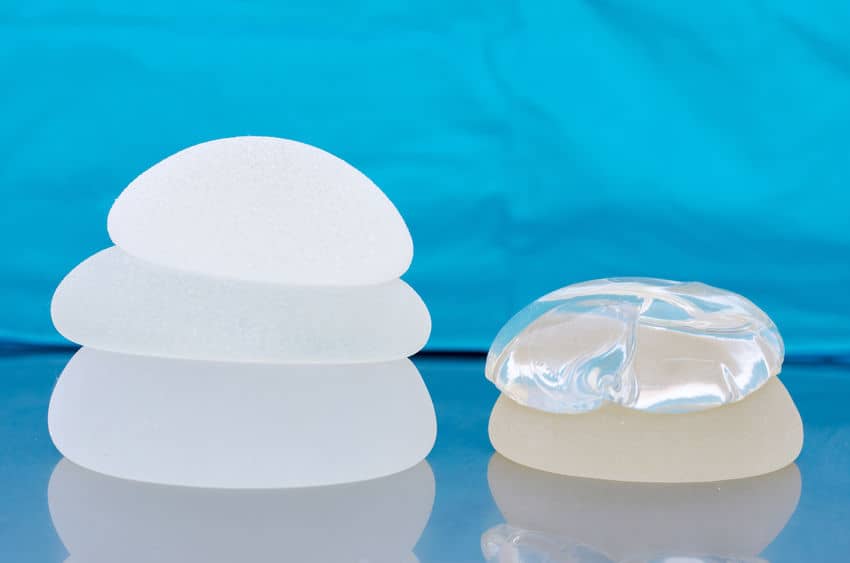
Did you know that not all breast implants are made of the same materials? In fact there are several different types of breast implants that are commonly used in breast augmentation today, and understanding the breast implant material used can help you have a more informed conversation with your surgeon. The three most common types are:
- Silicone implants
- Saline implants
- Gummy bear implants
Here is what you need to know about what breast implants are made of.
The Silicone Outer Shell
Even though some breast implants are filled with saline, all breast implants have a silicone outer shell. This outer shell might be textured or smooth. It may be round or teardrop shaped. There are many different options, but all of them will contain some amount of silicone. Silicone is completely safe in the body, and the first silicone breast implants were approved by the FDA in the 1960s.
Silicone Gel Implants
Many breast implants are filled with silicone gel. The silicone gel is usually of average consistency, although gummy bear implants will have a much thicker gel. Silicone implants come in different shapes and sizes, and they can’t be adjusted after manufactured.
Gummy Bear Implants (Highly Cohesive Silicone)
Gummy bear implants are a newer generation of silicone implant filled with a thicker, more cohesive silicone gel that holds its shape even if the shell is cut in half — similar to a gummy candy, which is where the nickname comes from. Because the gel is form-stable, these implants tend to hold their shape well over time and carry a lower risk of rippling or shifting. They’re often teardrop-shaped to mimic a natural breast contour.
Saline Implants
Saline was FDA approved for use in breast implants in the 1990s. Saline implants are often considered safer because if a leak occurs, the saline is harmless; while the silicone gel could cause complications. Saline is basically just salt water, so there is absolutely no danger if it is punctured. For a side-by-side comparison of feel, rupture signs and cost, see saline vs silicone implants.
Comparing Your Options
| Silicone Gel | Gummy Bear (Cohesive Silicone) | Saline | |
|---|---|---|---|
| Shell material | Silicone | Silicone | Silicone |
| Fill material | Silicone gel | Highly cohesive silicone gel | Sterile saltwater |
| Feel | Soft, natural | Firm, form-stable | Slightly firmer |
| If ruptured | Requires exam/MRI to detect | Holds shape even if shell is compromised | Immediately noticeable; saline absorbed safely by the body |
| FDA approved | 1960s | 2012 | 1990s |
How to Choose the Right Implant
The best breast implant material depends on your anatomy, your aesthetic goals, and your lifestyle. Not a one-size-fits-all answer. During a consultation, Dr. Mosiello evaluates your existing breast tissue, skin elasticity, and desired outcome to recommend the material, shape, and profile best suited to you.

Ready to learn which implant type is right for you? Schedule a consultation with Dr. Mosiello to discuss silicone, saline, and gummy bear options for your breast augmentation.
Frequently Asked Questions
Are silicone breast implants safe?
Yes. Silicone breast implants are FDA-approved and have been extensively studied for safety. Modern cohesive silicone gel is designed to stay in place even if the shell is damaged.
What happens if a saline implant leaks?
The body safely absorbs the sterile saltwater, and the breast will visibly deflate over a short period — it isn’t a health risk, but it does require a follow-up surgery to replace the implant.
What’s the difference between silicone and gummy bear implants?
Both have a silicone shell and silicone gel fill. Gummy bear implants use a much thicker, more cohesive gel that holds its shape even if cut, giving a firmer feel and more shape retention over time.
Do breast implants need to be replaced over time?
Implants aren’t considered lifetime devices. Many last 10-20 years or longer, but your surgeon will monitor them at routine visits and recommend replacement if there are signs of rupture, capsular contracture, or a change in shape.
Which implant type is right for me?
That depends on your body type, skin quality, and aesthetic goals. The best way to find out is a consultation with a board-certified plastic surgeon who can walk you through your options.